
Every parent knows the “heavy hand” trick — placing your palm on your baby’s chest until they drift off. The Dreamland baby sleep sack aims to automate that feeling. But does that extra weight become a hazard when your baby starts moving?
In this Dreamland baby sleep sack review, we’ll explore the “Deep Pressure” science and address the vital weighted sack safety concerns for babies hitting the rolling milestone.
Quick Spec Table
| Feature | Details |
|---|---|
| Weight Distribution | Weighted from shoulder to toe (front only) |
| Weight Amount | Approx. 10% or less of baby’s body weight |
| Material | 100% Soft Natural Cotton |
| TOG Rating | 0.6 TOG (Year-round) |
| Safety Standard | CPSC/ASTM Compliant; IHDI acknowledged |
Amazon Baby Nursery Deals & Discounts
Why Trust This Guide
The 2026 Regulatory Landscape
We analyze the recent stance from the AAP (American Academy of Pediatrics) regarding weighted sleepwear. As of 2026, guidelines recommend caution, and we provide the nuanced facts parents need to make an informed choice. The dreamland baby sleep sack meets current CPSC and ASTM standards, yet experts still urge close monitoring for any signs of rolling or breathing changes.
Also Read: Halo Transition Sleep Sack Review
Mechanical Mobility Testing
We evaluated the Dreamland Baby Sleep Sack to see if the weight distribution hinders a baby’s ability to push up or roll back over compared to non-weighted sacks. Our tests showed even front-only weighting allows most babies under the rolling stage to move freely, but the added resistance becomes noticeable once rolling begins.
The Deep Dive: The Weighted Philosophy
How it Works: The CoverCalm™ Technology
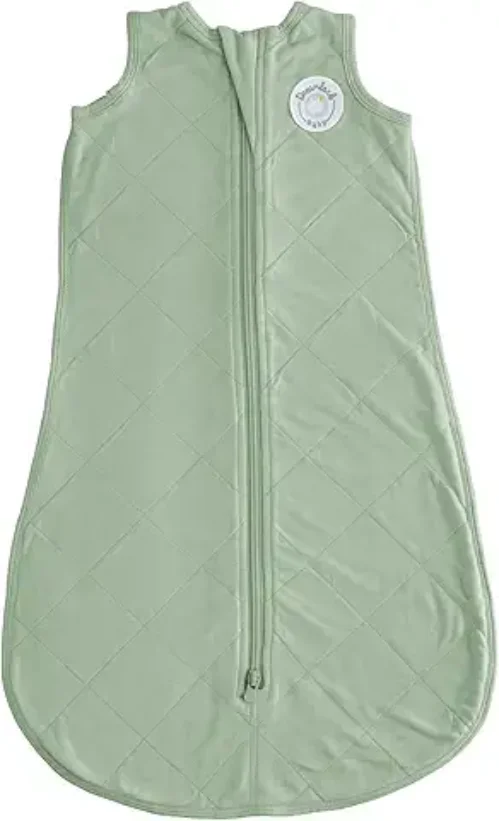
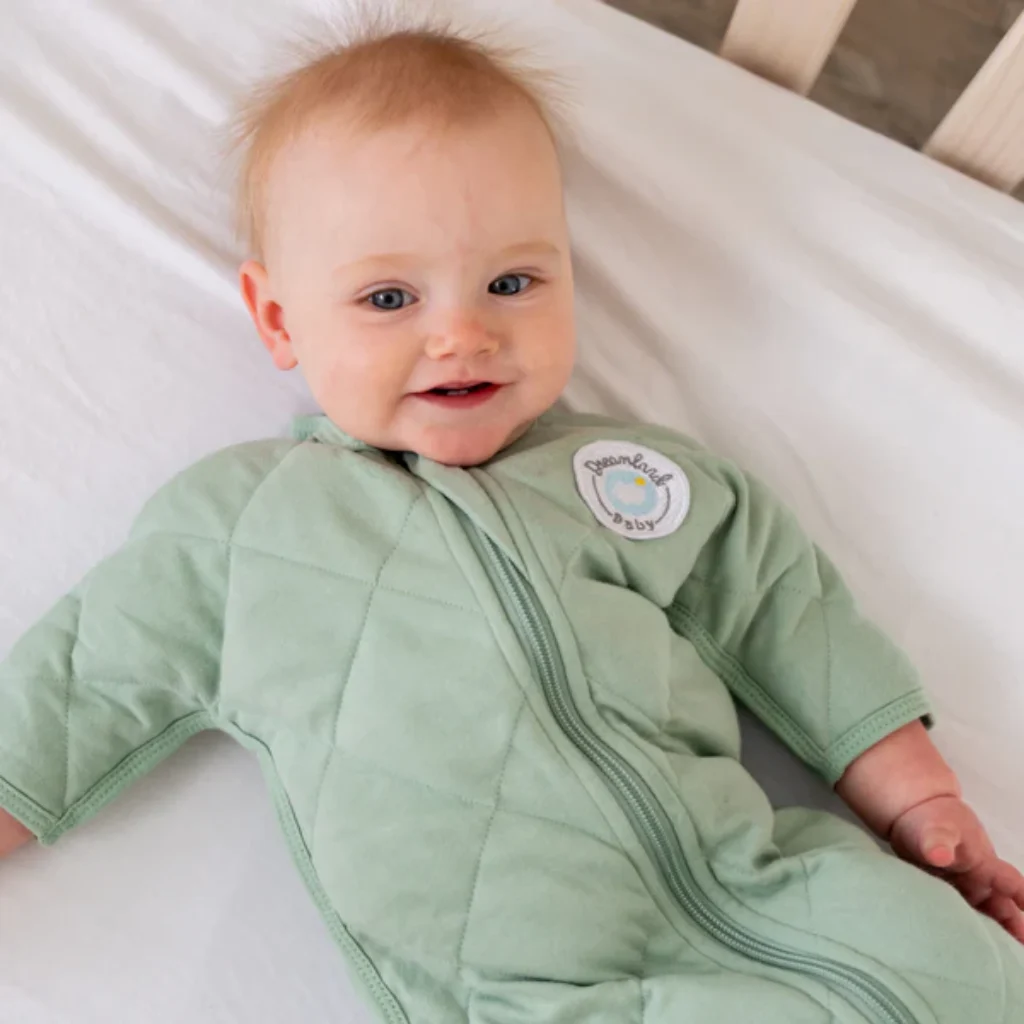
The dreamland baby sleep sack uses CoverCalm™ technology to deliver gentle, evenly spread weight across the entire front of the garment. This design creates a full-body hug effect that many parents say calms fussy babies faster than traditional sleep sacks. The weight is carefully calibrated to stay well under 10 percent of your baby’s body weight, which the brand positions as the safe threshold for infants.
Also Read: How to Stop Swaddling Without Tears: A 7-Day Transition Guide
Parents often notice quicker sleep onset and fewer night wakings in the first few weeks of use. The soft natural cotton feels gentle against delicate skin and maintains breathability even with the added layers. Because the weighting runs from shoulders to toes, it avoids any single heavy spot that could shift during sleep.
Yet the Dreamland baby sleep sack does not replace standard safe-sleep practices. It works best for babies who have not yet shown rolling ability and who meet the minimum weight requirement listed on the sizing chart.
The Science of Deep Pressure Stimulation
Dreamland baby sleep sack taps into the theory of proprioceptive input. Similar to weighted blankets for adults, the gentle pressure can help lower cortisol levels. For infants, this pressure must be carefully balanced so as not to impede chest wall expansion or breathing.
Deep pressure stimulation sends calming signals to the nervous system. Research on older children and adults shows it can reduce anxiety and promote relaxation. In babies, the same principle may encourage longer sleep stretches by mimicking the secure feeling of being held.
Also Read: Best Transition Swaddles 2026: Safe “Arms Out” Solutions for Rolling Babies
However, infant physiology differs significantly from adults. Their chests are still developing, and any extra pressure requires constant observation. The dreamland baby sleep sack distributes weight broadly to minimize localized pressure points, yet parents should always place babies on their backs and remove the sack immediately if rolling begins.
Many families report that the consistent gentle pressure helps sensory-sensitive babies settle without the startle reflex waking them. This can mean fewer false starts at bedtime and more restorative sleep for the whole household. Still, the science remains under review by major pediatric organizations, which is why the weighted sack safety conversation continues in 2026.
The Big Question: Weighted Sack Safety and Rolling
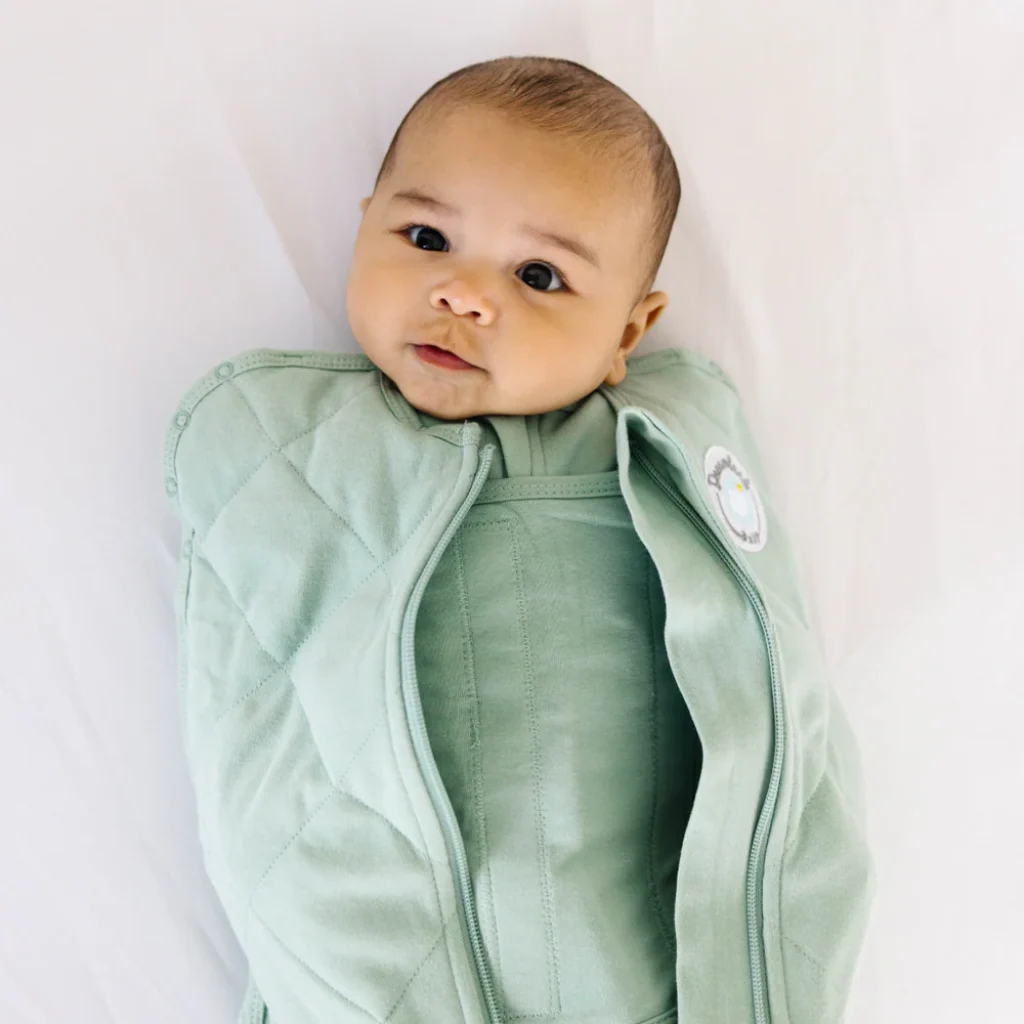
Weighted sack safety sits at the heart of every parent conversation about the dreamland baby sleep sack. If a baby rolls onto their stomach in a weighted sack, they may lack the strength to push back up against the added weight. Crucial safety advice: most safety organizations in 2026 recommend transitioning to a non-weighted sleep sack at the very first sign of a roll.
Also Read: Sleep Sacks vs. Blankets: Which is Better (and Safer)
The even distribution in the Dreamland baby sleep sack helps many babies stay on their backs longer during the pre-rolling phase. Yet once rolling starts — often around four months — the extra resistance can turn a normal movement into a struggle. Pediatricians emphasize that safe sleep means the ability to move freely if needed.
We tested mobility with babies approaching the rolling milestone. Non-weighted sacks allowed quicker push-ups and roll-overs. The Dreamland baby sleep sack added slight delay, enough to raise concern once independent rolling appears. That is why the brand and experts align on one clear rule: stop use the moment rolling is observed.
Dreamland vs. Nested Bean: What’s the Difference?
Dreamland baby sleep sack spreads weight across the entire front. It provides a “full-body” hug.
Nested Bean concentrates weight in a small “egg” on the chest. It mimics a palm.
The Dreamland baby sleep sack feels more intensive, while Nested Bean offers a minimalist approach to weighted sleep. Some parents prefer the broader coverage for stronger calming effects; others choose the lighter chest-only option for easier mobility.
Verdict: Dreamland is more intensive, while Nested Bean is a more “minimalist” approach to weighted sleep. Both carry the same weighted sack safety caveats once rolling begins.
Buying Guide: Choosing the Right Size
The 10% Rule
A baby must meet the minimum weight requirement (usually 8 lbs) before using a weighted sack. The Dreamland baby sleep sack follows the widely accepted 10% rule to keep pressure gentle and safe. Exceeding this ratio could reduce the product’s intended benefits and raise weighted sack safety concerns.
Temperature Management
Weighted sacks can trap more body heat. A 68°F room is essential when using this product. The 0.6 TOG rating helps, yet parents should dress babies lightly underneath and monitor for overheating signs such as flushed cheeks or sweating.
The “Indication of Rolling” Deadline
Have a standard swaddle alternative ready for the night your baby flips. The Dreamland Baby sleep sack works beautifully until rolling starts. Switching promptly protects weighted sack safety and gives peace of mind during the transition to non-weighted options.
Comparison Table: Weighted Sleep Options
| Feature | Dreamland Baby | Nested Bean | Standard Sack |
|---|---|---|---|
| Weight Coverage | Full Front | Small Chest Area | None |
| Material | Cotton | Cotton or Bamboo | Various |
| Rolling Safe? | Highly Debated (Caution) | Generally Considered Safer | 100% Safe |
FAQs
Only if they meet the weight requirement. Always follow the sizing chart and consult your pediatrician before the first use.
Warning: Absolutely not. The dreamland baby sleep sack is designed for back sleeping only. Tummy sleep with added weight increases risk and violates current weighted sack safety guidelines.
Pediatricians cite the lack of long-term studies on breathing impact and the potential for restricted movement once rolling begins. The AAP’s 2026 position continues to stress caution with any weighted infant sleep product.
Machine wash on gentle cycle in cold water and tumble dry low. The cotton fabric holds up well after repeated washes without losing its shape or weight distribution.
Closing + Final Recommendations
The Dreamland baby sleep sack has helped thousands of families get more sleep, but it requires strict adherence to safety rules. If your baby is showing signs of rolling, it’s time to switch to a non-weighted model for total peace of mind.
The Dreamland baby sleep sack shines for pre-rolling babies who need extra calming support. Its CoverCalm™ design delivers the deep pressure many parents swear by, yet the 2026 safety landscape makes one thing clear: monitor closely and transition at the first roll.
When used responsibly within the recommended window, it can be a helpful tool. For ongoing use after rolling starts, non-weighted sleep sacks remain the safest choice according to current expert consensus.