
It’s a 3 AM blowout. The last thing you want is a cover that shrinks in the wash or traps odors.
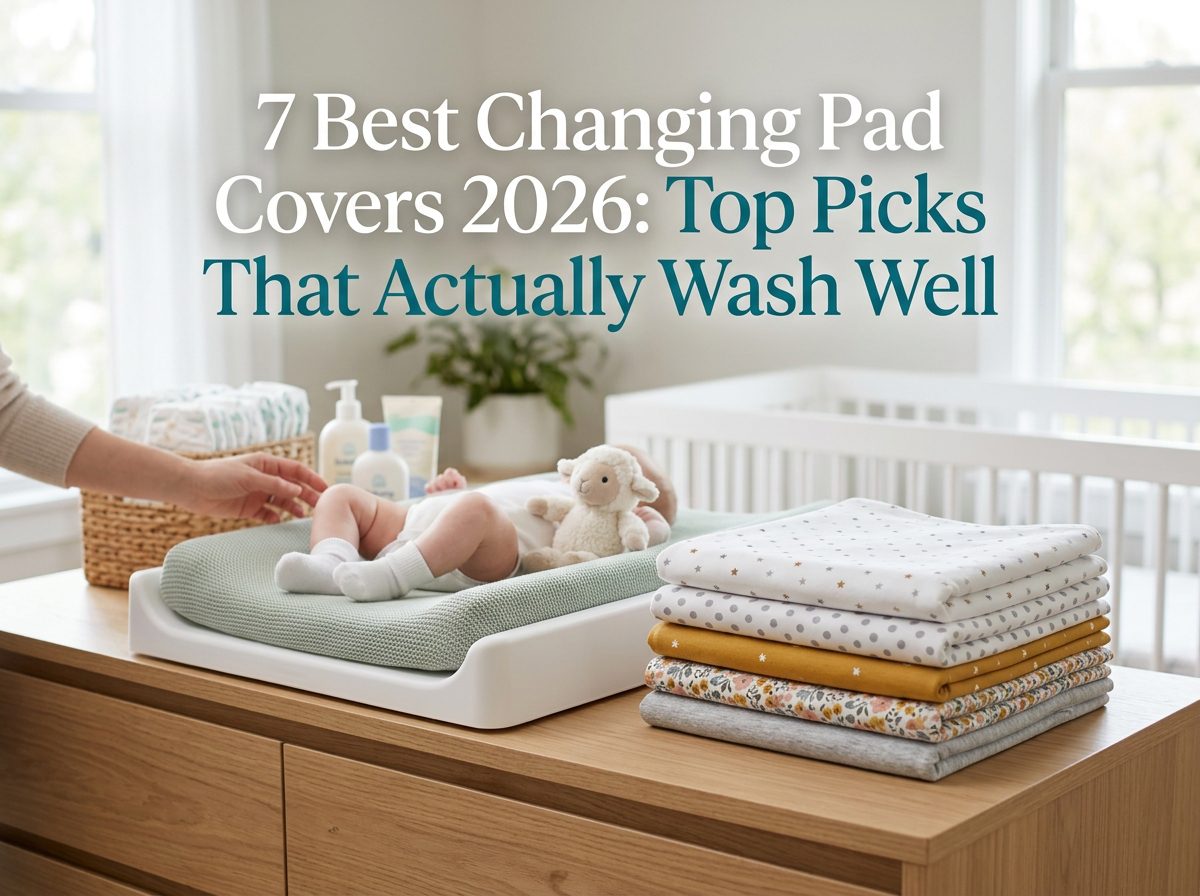
Many new parents search for the perfect baby diaper changing pad cover or wipeable changing pad that survives daily messes and repeated laundry. These changing pad cover choices keep your station clean and comfortable while handling diaper cream stains without fading.
By the end of this guide, you’ll know which changing pad cover brands survive 50-plus washes and whether you should skip the fabric entirely for a wipeable changing pad. You will also discover plush options that feel soft against baby skin yet hold their shape through hundreds of changes.
Also Read: The 7 Best Organic Crib Mattresses: Non-Toxic & Chemical-Free Guide
Quick Comparison Table


The Top Picks
Burt’s Bees Baby Organic CottonBest Baby Diaper Changing Pad Covers for Sensitive Skin
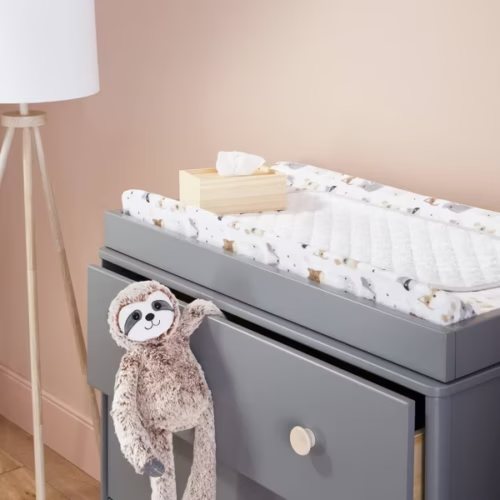
The Burt’s Bees Baby organic cotton baby diaper changing pad cover tops the list for families who want natural materials. Its GOTS-certified jersey feels like a favorite T-shirt against delicate skin.
This baby diaper changing pad cover stretches easily over the corners of contoured pads and stays snug during active diaper changes. The fabric softens with every wash so it feels better over time instead of wearing out.
Parents with sensitive babies notice less redness because the organic fibers breathe well and avoid chemical finishes. The neutral heather gray blends into any nursery while hiding minor stains between washes.
Why Organic Cotton Baby Diaper Changing Pad is the Ultimate Choice?
A good changing pad cover should feel comforting like a soft shirt. The jersey knit from Burt’s Bees stretches in all directions so it never pops off when your baby kicks.
The extra-thick elastic grips the underside of the pad without slipping. This secure fit means you can focus on the diaper change instead of adjusting fabric.
Many parents keep three of these baby diaper changing pad cover options rotating through the laundry. The organic certification gives peace of mind knowing nothing harsh touches baby skin during frequent changes.
Also Read: Nested Bean Zen One Review: The Best Hybrid Convertible Swaddle
Keekaroo Peanut ChangerThe “No-Wash” Alternative
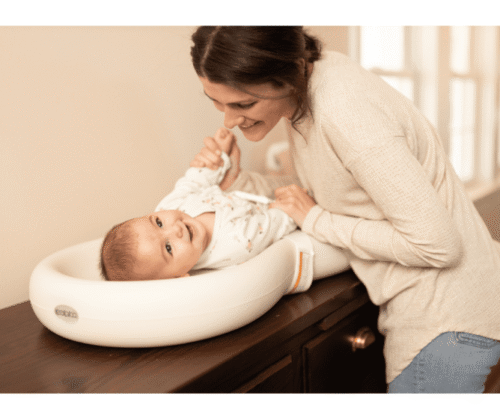
The Keekaroo Peanut wipeable changing pad changes everything for parents who hate laundry. Its solid polyurethane surface wipes clean in seconds with just a damp cloth.
This wipeable changing pad saves hours every week because you never wait for a cover to dry. Liquids bead up and roll off so messes disappear instantly.
The built-in safety strap slots keep your baby secure without extra fabric layers. Many busy families say this one investment pays for itself by eliminating constant washing.
Is a Wipeable Changing Pad Better Than Fabric?
A wipeable changing pad wins on speed and cleanliness. You spend less time at the sink and more time with your baby.
Over two years, the time saved adds up to hundreds of loads of laundry. Water usage drops dramatically, which helps both your utility bill and the environment.
Also Read: Best Baby Sleep Suits: Padded & Warm Picks for 6-12 Month Olds
The smooth surface stays hygienic because nothing soaks in. For parents who do multiple changes daily, this wipeable changing pad feels like a true upgrade over traditional changing pad choices.
Best for Comfort: Aden + Anais Essentials Muslin
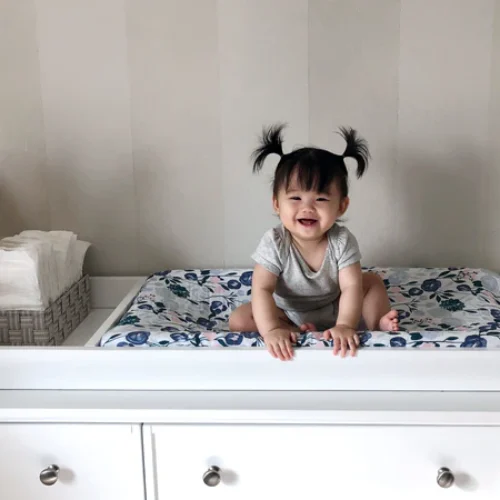
Why a Plush Changing Cover Prevents “Cold-Shock”
The Aden + Anais muslin baby diaper changing pad cover feels instantly warm against baby skin. The lightweight weave traps a thin layer of air that stops the sudden chill many babies dislike.
This plush changing cover keeps little ones calm during changes, even in cooler rooms. The breathable fabric lets air circulate so moisture evaporates quickly after wipes.
Parents report fewer fussy moments because the surface never feels icy like plastic. The muslin print adds gentle style without overwhelming the nursery.
Durability of Muslin Through 100+ Wash Cycles
Muslin proves surprisingly tough after repeated washing. The fabric actually gets softer with each cycle while keeping its shape and color.
Reinforced corners resist tearing even when stretched over thick contoured pads. The elastic stays strong so the baby diaper changing pad cover continues to fit perfectly for years.
Also Read: The Ultimate TOG Rating Guide: How to Dress Your Baby for Safe Sleep
Many families own several prints and rotate them weekly. The quick drying time means you always have a clean plush changing cover ready when blowouts happen.
Buying Guide: Fabric Science & Durability
Choosing a Baby Diaper Changing Pad Cover that Won’t Shrink
Picking the right changing pad cover means looking at how fabrics behave after repeated washing. Some materials hold size better than others.
Tested options show minimal shrinkage when following care labels. This guide highlights only covers that stayed true to size after 50 hot dryer cycles.
Muslin vs. Jersey vs. Minky
Plush changing cover styles vary by fabric. Minky polyester resists stains well but can trap heat against baby skin.
Muslin stays the most breathable and dries fastest. Jersey cotton offers the softest feel, like a worn T-shirt.
Each has a place depending on your priorities. A changing pad cover in muslin works great for hot summers while minky adds extra cushion in cooler months.
The Importance of Full-Wrap Elastic
A quality baby diaper changing pad cover needs full-wrap elastic around the entire bottom edge. Half-elastic versions slip off corners during wiggly changes and create frustration.
Full elastic keeps the fabric drum-tight, so wrinkles stay away. This secure fit also protects the pad itself from leaks that could damage the foam underneath.
Bamboo Viscose: The New Hygiene King?
Bamboo viscose changing pad cover options offer natural antibacterial properties that keep odors low. The fibers wick moisture away faster than regular cotton.
This material stays fresh between washes and feels silky soft. Many parents now choose bamboo blends for their clean-changing station because bacteria have a harder time growing on the surface.
Comparison Table: Maintenance Stats
| Material | Stain Resistance | Drying Speed | Softness |
|---|---|---|---|
| Organic Cotton | Moderate | Moderate | High |
| Wipeable Polymer | Excellent | Instant | Low |
| Muslin | Moderate | Fast | Very High |
| Minky (Plush) | High | Moderate | Excellent |
This table helps you compare real performance so you pick the changing pad cover that matches your daily routine.
FAQs
The wipeable changing pad versus fabric debate continues. A cover adds softness and style while protecting the pad from stains.
Many parents start with fabric and switch to wipeable after the newborn stage. Both work well depending on how much laundry you want to do.
Follow the rule of three for changing pad cover sets. One on the pad, one in the wash, and one ready for emergencies.
This rotation keeps you covered during blowouts without running to the dryer at night. Three gives enough variety for different prints or fabrics.
Most standard changing pad cover options fit contoured pads perfectly when they include full elastic. Measure your pad first to confirm the 16 by 32 inch size.
Reinforced strap slots work on both flat and curved surfaces. The stretchy jersey and muslin styles adapt best to contours.
For fabric changing pad cover options, use the blot method first. A paste of OxiClean and vinegar lifts zinc oxide after 15 minutes.
Machine wash in cold water, then air dry. Wipeable surfaces need only a damp cloth and mild soap. These tips keep every cover looking fresh for months.
Closing + Final Recommendations
For the easiest life, go with a wipeable changing pad that cleans in seconds. For the coziest nursery, grab three organic cotton changing pad cover options that get softer with every wash.
Both choices keep your changing station ready for anything. Your baby stays comfortable, and you spend less time on cleanup.
Shop the Best Baby Nursery Accessories