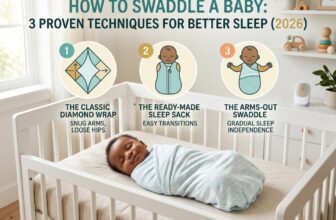

We have all done it: snuck into the nursery to check if the baby’s hands are cold, only to find they have kicked their blanket to the bottom of the crib.
In this guide, we will take a look at Sleep Sacks vs. Blankets to see which provides more consistent warmth and how to decode the TOG rating to match your nursery’s temperature. The wearable blanket delivers steady comfort without the guesswork or safety worries of loose bedding.
Also Read: Muslin vs. Velcro Swaddles
Quick Comparison: Warmth & Safety
| Feature | Loose Blanket | Wearable Blanket (Sleep Sack) |
|---|---|---|
| Warmth Consistency | Low (Easily kicked off) | High (Stay-on design) |
| Safety (SIDS Risk) | High (Suffocation hazard) | Low (Pediatrician recommended) |
| Draft Protection | Poor (Air gaps at sides) | Excellent (360° cocoon) |
| Temperature Control | Guesswork | Precision (TOG rating) |


Why Trust This Sleep Sacks vs. Blankets Guide
The “Draft-Free” Testing Methodology
A wearable blanket creates a micro-climate around the baby. Unlike a flat blanket, the sleep sack traps a layer of warm air that moves with the baby as they wiggle. This consistent pocket of warmth stays right where it belongs through every roll and kick.
Also Read: Do Weighted Sleep Sacks Really Help Babies Sleep
Before writing this sleep Sacks vs. Blankets comparison article, we tested multiple sleep sack options in real nursery conditions. The results showed far fewer temperature drops compared to traditional blankets. The wearable blanket design keeps your baby cozy from bedtime until morning without constant readjustments.
Parents notice the difference immediately. No more middle-of-the-night checks for cold spots or extra layers. The sleep sack simply works better for maintaining steady baby warmth all night long.
Adhering to AAP Safe Sleep Standards
We prioritize the bare crib policy. A sleep sack is the only safe way to add bedding warmth to a crib before 12 months. The American Academy of Pediatrics recommends wearable blanket options because they eliminate loose items that could shift and create hazards.
This guide follows the latest safe sleep standards. Every recommendation keeps your baby’s airway clear while delivering reliable warmth. The sleep sack supports healthy sleep without compromising safety guidelines.


The Science of Warmth
Let’s see sleep sacks vs. blankets in terms of warmth and see which one keeps your baby warmer.
The Problem with Loose Blankets: The “Kick-Off” Cycle
Loose blankets create a frustrating cycle for both baby and parent. When your little one kicks off the cover, their body temperature drops quickly. This sudden change triggers a light sleep state or a full wake-up, often right in the middle of the night.
A sleep sack eliminates this cycle. It remains attached at the shoulders so the warmth stays consistent from 8 PM to 3 AM. Your baby sleeps deeper and longer because the temperature around them does not fluctuate.
The wearable blanket prevents those sudden chills that disrupt sleep. Parents report fewer night wakings after switching to a sleep sack. The stay-on design means steady comfort without the constant battle against kicked-off blankets.
This reliable warmth supports better overall sleep patterns. The sleep sack keeps your baby in restorative sleep stages instead of frequent light wake-ups caused by cooling.
Understanding the TOG Rating System
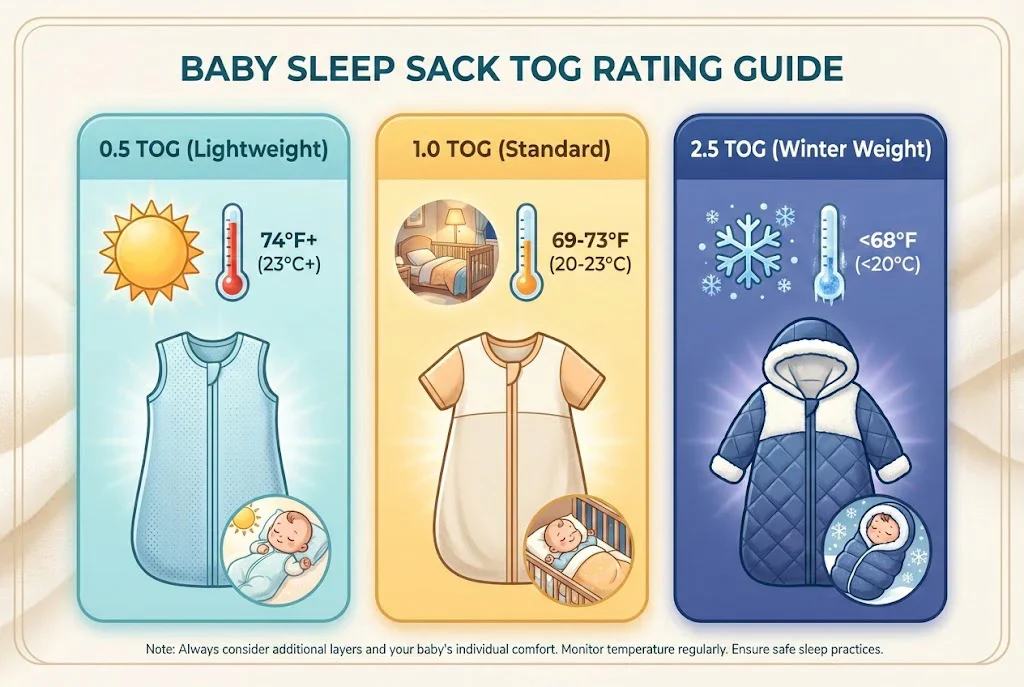
TOG stands for Thermal Overall Grade. It measures the thermal resistance of a wearable blanket. This rating tells you exactly how much warmth the sleep sack provides so you can match it perfectly to your nursery temperature.
A 0.5 TOG sleep sack works best for rooms 75°F and warmer. It offers lightweight warmth without overheating in hotter conditions. The wearable blanket feels just right when the air is already warm.
The 1.0 TOG rating serves as the Goldilocks choice for 69–74°F rooms. This sleep sack provides balanced insulation for most average nurseries. Parents love how the wearable blanket keeps babies comfortable through mild seasons.
A 2.5 TOG sleep sack becomes the winter essential for rooms under 68°F. It delivers extra insulation where needed. The wearable blanket helps maintain core warmth even on the chilliest nights.
Also Read: Ultimate TOG Rating Guide
Eliminating “Cold Spots” with 360° Insulation
Traditional blankets leave gaps at the sides and bottom where cold air sneaks in. A wearable blanket acts like a high-end sleeping bag. It provides a continuous layer of insulation around the torso and legs where babies lose the most heat.
The sleep sack wraps your baby in even warmth from every angle. No more chilly drafts or uncovered spots during active sleep. This 360° design keeps the wearable blanket effective through every movement.
Especially for new firstborn babies, moms find it hard to decide between Sleep Sacks vs. Blanket. Parents often mention how the sleep sack feels more secure than loose covers. The wearable blanket maintains steady temperature regulation without shifting. Your baby stays cozy and settled longer.
This full sleep sacks vs. blankets coverage also reduces the need for extra layers. The sleep sack delivers efficient warmth in a single simple garment. It makes nighttime routines easier and more reliable.
Sleep Sacks vs. Blankets Buying Guide: Choosing the Right Weight
Sleep Sacks vs. Blankets: The Layering Formula
The clothing plus sleep sack combo is the key to perfect warmth. For example, long-sleeve pajamas paired with a 1.0 TOG wearable blanket equals the warmth of a 2.5 TOG option. This flexible approach lets you adjust to any room temperature.
Start with the base layer that matches the nursery. Add the sleep sack on top for precise control. The wearable blanket makes layering simple and effective.
Sleep Sacks vs. Blankets: Natural vs. Synthetic
Natural fabrics like wool and cotton regulate temperature better than polyester. They breathe well and move moisture away from the skin. A sleep sack in these materials prevents the trapped wet heat that leads to sweating.
Synthetic options can feel warm at first but often cause overheating later. Choose natural fibers in your wearable blanket for all-night comfort. The sleep sack stays fresh and comfortable with the right fabric.
Sizing for Warmth
An oversized sleep sack can actually feel colder because of too much dead air space. The wearable blanket works best when it fits snugly at the chest and shoulders. Proper sizing helps your baby’s body heat the interior quickly and efficiently.
Always follow the manufacturer’s size chart for the sleep sack. The right fit in a wearable blanket maximizes warmth and safety at the same time.
Amazon Latest Deals & Discounts on Baby Products
Sleep Sacks vs. Blankets: Temperature vs. Layers
| Room Temperature | Recommended TOG Rating | Layer Underneath |
|---|---|---|
| 74°F+ | 0.5 TOG | Short-sleeve onesie |
| 69°F – 73°F | 1.0 TOG | Long-sleeve onesie |
| 61°F – 68°F | 2.5 TOG | Footie PJs |
FAQs
Yes, with the right TOG and layering. A 2.5 TOG wearable blanket paired with footie pajamas handles cold rooms beautifully. The sleep sack provides reliable insulation without any loose blankets.
Many families in colder climates rely on this combination. The wearable blanket keeps babies warm and safe through the longest winter nights.
Cold hands are completely normal and not a sign of overall chill. Check the chest for core warmth instead. The sleep sack focuses on protecting the torso where heat matters most.
Babies naturally have cooler extremities. The wearable blanket keeps the important areas cozy even if hands feel slightly cooler.
No. Always add layers underneath the sleep sack instead. Placing anything on top defeats the purpose and creates safety risks. The wearable blanket is designed to work alone on top.
Stick with the sleep sack as the final layer. This keeps your baby safe and warm exactly as intended.
Not necessarily. Merino wool options deliver high TOG warmth in a surprisingly light wearable blanket. The sleep sack can feel cozy without added bulk.
Modern materials make higher TOG ratings comfortable and easy to move in. Your baby stays warm without feeling weighed down.
Sleep Sacks vs. Blankets
Closing + Final Recommendation
After reading this full article about Sleep Sacks vs. Blankets, it is easy for you to make a decision but I am still going to give my final words. For safety and consistent sleep, the sleep sack beats the blanket every time. Use the TOG rating to match your nursery, and you will never have to worry about kick-off wake-ups again. The wearable blanket offers reliable warmth and peace of mind in one simple package.
The sleep sack has become the go-to choice for good reason. It delivers steady baby warmth while following safe sleep practices. Your nights become calmer and your baby rests better.
Choose the right wearable blanket based on your room temperature and layering needs. The switch from loose blankets makes a real difference for the whole family.