

Pottery Barn nursery chair options embody timeless comfort in high-end setups. Luxury nursery furniture from these brands elevates any space with premium materials and designs. In the Pottery Barn Kids vs. West Elm Nursery article, we will compare two brands of baby nursery and see which brand is safer for babies and also gives a luxurious feel.
You want a nursery that looks like a Pinterest board, but you don’t want to regret a $1,000 purchase. Balancing aesthetics with functionality can feel overwhelming amid rising costs. While both brands offer high-end aesthetics, we break down why the Pottery Barn nursery chair wins on comfort, while West Elm takes the lead in modern design.
Also Read: Top 10 Best Convertible Cribs
The Williams-Sonoma Connection
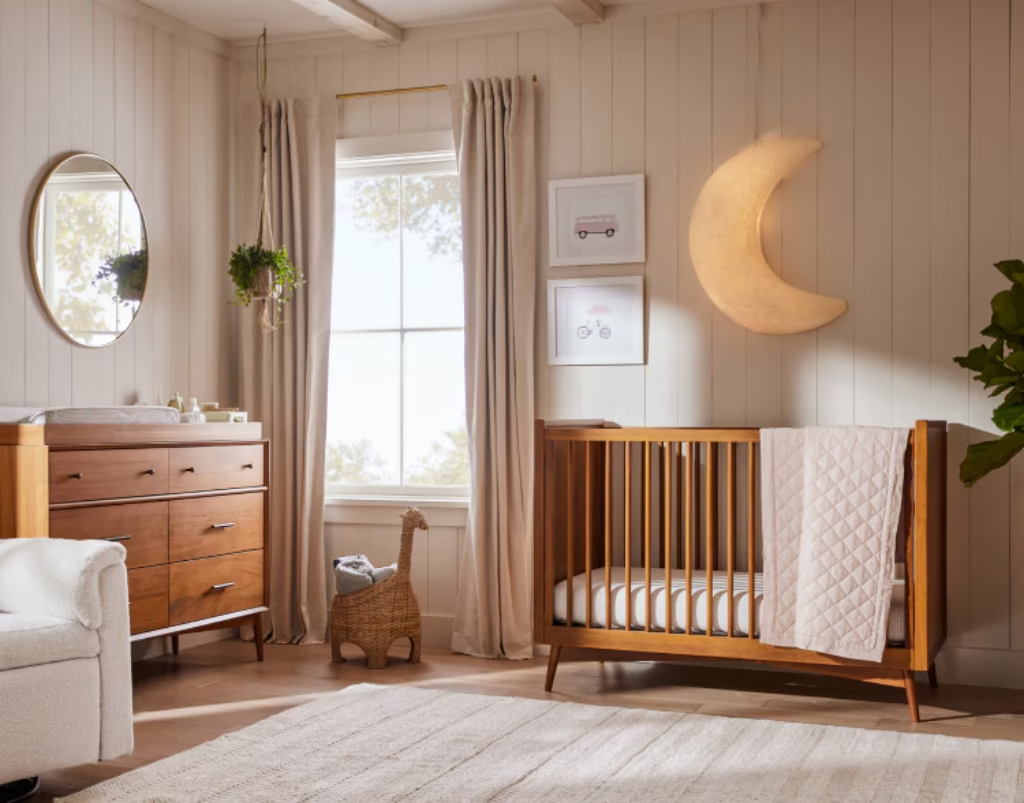
Both Pottery Barn Kids and West Elm fall under Williams-Sonoma, sharing logistics like warehousing and distribution for efficiency. However, they differ in manufacturing: Pottery Barn emphasizes solid hardwood sourcing, while West Elm incorporates more engineered elements. This impacts durability in luxury nursery furniture. Safety testing aligns across brands, ensuring compliance with federal standards.
Pottery Barn Kids vs. West Elm Nursery
Our Definition of “Luxury” in 2026
Luxury nursery furniture in 2026 means pieces built for longevity, with performance fabrics resisting stains and wear. Parents expect $800+ investments to include non-toxic certifications like Greenguard Gold for low emissions. Features like customizable options and eco-friendly materials define value. We evaluated based on real-user feedback and expert insights.
Pottery Barn Kids vs. West Elm Nursery – The Seating BattleBuild complex layouts easily
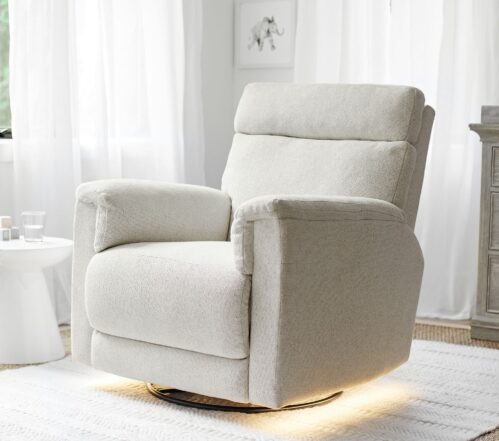
Why the Pottery Barn Nursery Chair is the “Gold Standard”
The Pottery Barn nursery chair sets benchmarks with kiln-dried hardwood frames that resist warping over years. In the “Dream” line, a whisper-quiet motor enables seamless reclining without disturbing sleep. This makes it ideal for late-night feeds in luxury nursery furniture setups. Users rave about the ergonomic padding that supports postpartum recovery.
Pottery Barn Kids vs. West Elm Nursery – The Sleep SanctuaryBuild complex layouts easily
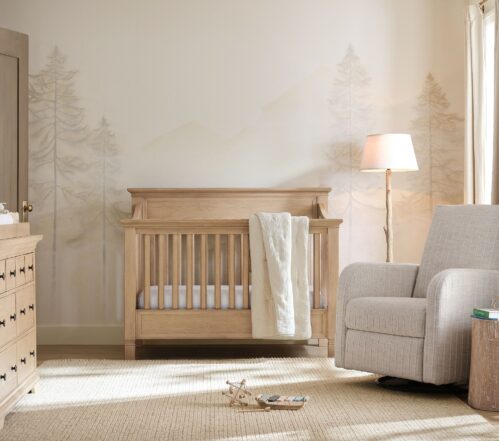
Is the Pottery Barn Crib Worth the $600+ Price?
The Pottery Barn baby crib review reveals a strong weight capacity up to 50 pounds, ensuring safety through toddler years. Luxury nursery furniture like this uses hardwood for stability, outlasting softwood alternatives in daily use. The 4-in-1 conversion extends value into adolescence. Parents note the classic styling integrates well with heirloom pieces.
The Challenger: West Elm Kids Nursery
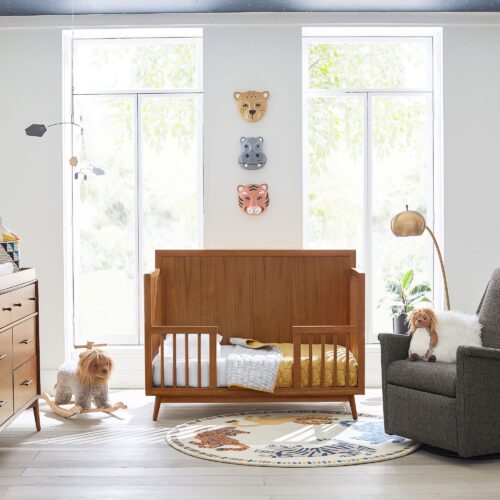
West Elm’s Mid-Century Aesthetic vs. Durability
West Elm Kids prioritizes mid-century aesthetics in luxury nursery furniture, with clean profiles that appeal to modern parents. However, durability leans toward trend-focused builds using engineered wood blends. This suits short-term style updates but may not match heirloom expectations. Reviewers appreciate the minimalist appeal for urban spaces.
The Collaboration: West Elm x Pottery Barn Kids Models
Some luxury nursery furniture pieces result from West Elm x Pottery Barn Kids collaborations, merging sleek designs with robust safety features. These hybrids offer Greenguard Gold certification and enhanced upholstery. Parents benefit from shared expertise in non-toxic finishes. Such models bridge the gap between brands effectively.
Pottery Barn Kids vs. West Elm Nursery – The Storage ShowdownBuild complex layouts easily
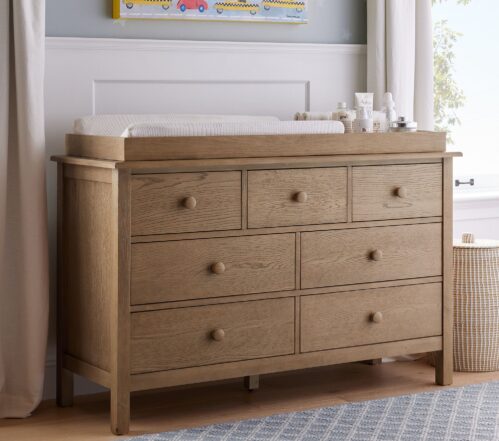
Pottery Barn’s Focus on Functional Luxury
Pottery Barn dressers excel in luxury nursery furniture with kiln-dried frames preventing sagging drawers. Integrated changing toppers save space in compact rooms. The design emphasizes timeless appeal over fleeting trends. Families value the smooth glides for quiet access during naps.
West Elm’s Innovative Storage Solutions
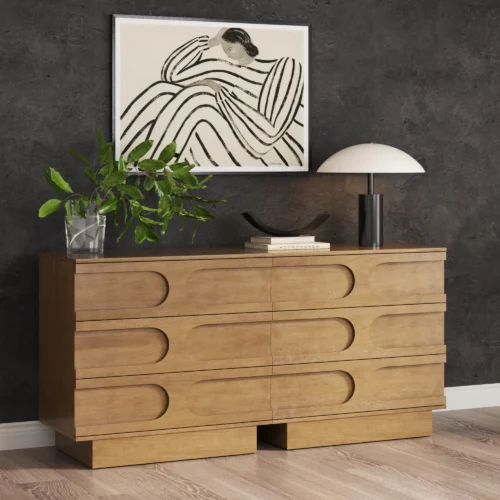
Balancing Style and Practicality in West Elm
West Elm’s storage pushes luxury nursery furniture boundaries with modular pieces that adapt to growing needs. Sustainable sourcing adds eco-appeal without compromising sleek looks. However, practicality suits smaller wardrobes better. Users highlight easy reconfiguration for evolving nurseries.
Pottery Barn Kids vs. West Elm Nursery – The Glider RivalryBuild complex layouts easily
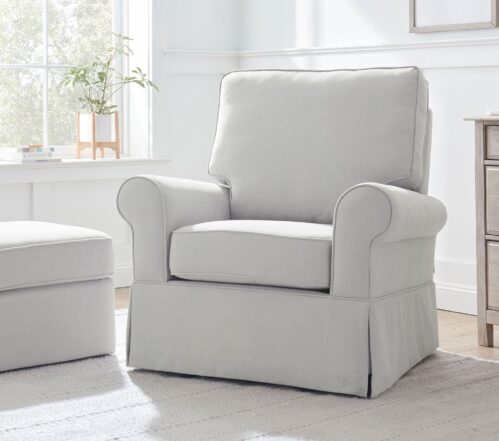
Comfort Edges in Pottery Barn Gliders
The pottery barn nursery chair extends to gliders with superior lumbar support for extended sessions. Luxury nursery furniture here includes silent mechanisms ideal for quiet soothing. Parents prefer this for breastfeeding comfort over basic models. It stands as a reliable daily essential.
West Elm’s Sleek Glider Alternatives
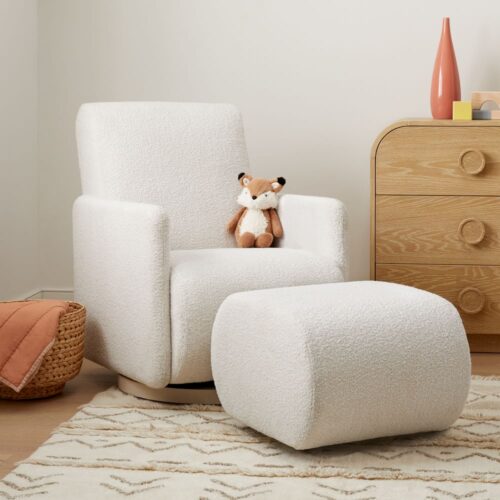
Modern Motion in West Elm Seating
West Elm gliders bring mid-century flair to luxury nursery furniture, with slim profiles fitting tight spaces. Velvet fabrics offer a plush feel, though stain resistance varies. This appeals to design-focused parents. Feedback notes improved versions in 2026, addressing earlier concerns.
Shop Budget Baby Nursery Items on Amazon
Pottery Barn Kids vs. West Elm Nursery – Accessories ComparisonBuild complex layouts easily
Both brands shine in luxury nursery furniture accessories like rugs and lighting. Pottery Barn offers cozy, layered textiles for warmth. West Elm focuses on geometric patterns for visual interest. Choices depend on overall theme. Parents mix elements for personalized touches.
What Are You Actually Paying For?
Luxury nursery furniture pricing reflects materials, craftsmanship, and brand prestige. Expect premium woods and fabrics justifying costs. Both brands deliver quality, but value varies by need. Consider long-term use when budgeting. Informed choices prevent regrets.
Kiln-Dried Wood vs. Engineered Wood
Kiln-drying in luxury nursery furniture removes moisture to prevent warping, ideal for humid climates. Engineered wood offers affordability but less natural resilience. Pottery Barn favors kiln-dried wood for heirlooms. West Elm uses engineered materials for sleek, lightweight builds.
Performance Fabrics: Basketweave vs. Velvet
Basketweave fabrics in luxury nursery furniture resist spill stains, suiting active nurseries. Velvet provides softness but requires more care. Pottery Barn’s performance options excel in durability. West Elm’s velvets add elegance, with treatments improving cleanability.
Pottery Barn Kids vs. West Elm Nursery – The Hidden CostsBuild complex layouts easily
White glove delivery for luxury nursery furniture includes setup and debris removal, adding $100-200. Threshold drops at the door, saving money but requiring effort. Pottery Barn often mandates a white glove for large items. West Elm offers flexible options.
| Criteria | Pottery Barn Kids | West Elm Kids |
|---|---|---|
| Durability | High (Heavy-duty) | Medium (Trend-focused) |
| Resale Value | Excellent | Good |
| Comfort | Rated #1 | Rated #3 |
Pottery Barn Kids vs. West Elm Nursery
FAQs
Pottery Barn Kids provides a one-year warranty on most items, extendable for fabrics. West Elm matches with similar coverage but emphasizes manufacturing defects. Both handle returns well. Check specifics for luxury nursery furniture purchases.
Yes, the pottery barn nursery chair often rates higher for breastfeeding due to adjustable recline and support. Users report less strain. West Elm options are stylish but firmer. Test in-store if possible.
Greenguard Gold certification in luxury nursery furniture ensures low chemical emissions for healthier air. It’s crucial for infants’ developing lungs. Both brands prioritize this for safety. Look for it in product details.
West Elm dressers can serve as changing tables with added toppers, but ensure height and stability. Anchor securely per guidelines. They work well in luxury nursery furniture setups. Compatibility varies by model.
Final Words
Our conclusion for Pottery Barn Kids vs. West Elm nursery is, If you want a chair you can sleep in, buy the Pottery Barn nursery chair. If you want a nursery that looks like an art gallery, go to West Elm. A Pottery Barn crib review confirms reliability for traditionalists. Invest in your sleep and your baby’s safety.