
Every crib mattress sold in the United States has to pass a federal firmness test. That single fact should change how you shop. It means the question is no longer “which mattress is safest?” — the mandatory standard already sets the safety floor — but “which mattress fits my crib snugly, holds its firmness, and is easy to clean at a price I can justify?”
That is the framework this guide uses. Below are the best crib mattresses for infants and newborns we evaluated on fit, firmness retention, materials, certifications, washability, and price, from the $99 Graco Premium Foam to the $399 Naturepedic. We explain what the federal standard actually requires, what breathable cores do and do not do, how to test fit in sixty seconds, and which mattress makes sense for which nursery.
Also Read: Nursery Furniture Sets under $1,000
If you only read one section, read “What ‘Best’ Actually Means” below — it will save you from overpaying for safety features the law already requires.
What “Best” Actually Means: The Federal Firmness Standard
Crib mattresses sold in the US must comply with 16 CFR Part 1241, the CPSC’s crib mattress rule. The rule incorporates ASTM F2933 by reference, and the standard was updated in 2025 to ASTM F2933-25, which introduced a more repeatable firmness test and a coil-spring requirement to reduce the risk of springs poking through the mattress.
The purpose of the firmness requirement is specific: to reduce the risk of suffocation from a sleep surface that is too soft and conforms to an infant’s face. This matters because it changes the buying decision. The American Academy of Pediatrics recommends a firm, flat sleep surface covered by a fitted sheet, with nothing else in the crib, and the CDC’s safe-sleep guidance says the same thing. A compliant mattress, used correctly, meets that bar.
What separates the eight picks below is therefore not “safe vs. unsafe.” It is:
- Fit. A full-size crib mattress is standardized at roughly 51⅝ × 27¼ inches. A mattress that leaves a gap wider than about two fingers is the wrong mattress for that crib, regardless of brand.
- Firmness retention. The federal test is a pass/fail at the point of sale. It does not measure whether the mattress still passes after two years of a toddler jumping on it. Innersprings and high-density foam hold firmness longer than low-density foam.
- Materials and emissions. GREENGUARD Gold certifies low volatile organic compound emissions; GOTS certifies organic fiber content; GOLS certifies organic latex. These are material-quality signals, not safety certifications.
- Cleaning. A mattress you cannot wipe down or wash becomes a hygiene problem within months.
- Price. Because the firmness floor is legally guaranteed, paying $399 over $99 buys materials, durability, and washability — not a different safety category.
A note on dual-stage mattresses: an extra-firm infant side and a slightly softer toddler side is a convenience, not a safety upgrade. The infant side is the one that matters for the first 12–18 months, and it must remain firm.
| Mattress | Core | Firmness stages | Certifications | Price (verify) | Best for |
|---|---|---|---|---|---|
| Graco Premium Foam | Polyurethane foam | Single | GREENGUARD Gold, CertiPUR-US, JPMA | ~$99 | Best cheap crib mattress; first-time buyers |
| Moonlight Slumber Little Dreamer | Plant-oil foam | Dual | GREENGUARD Gold, CertiPUR-US | ~$199 | Made in USA; mini-crib size available |
| Newton Baby Essential | Wovenaire polymer | Single | GREENGUARD Gold | ~$199–$299 | Fully washable core; hot sleepers |
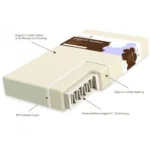
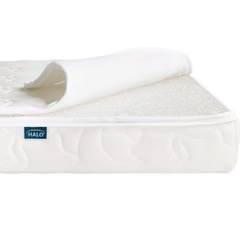
| Halo DreamWeave | Open-strand polymer core, 3-layer 3D-mesh cover | Dual (breathable infant side / waterproof toddler side) | GREENGUARD Gold | Mid-range | Best dual-stage breathable pick; fully washable core |
| Lullaby Earth Breathe Safe | Recycled polymer, no foam | Single | MADE SAFE | Budget-mid | Lightweight (7 lb), eco-conscious |
| Naturepedic Organic Cotton 2-Stage | Innerspring or lightweight, no polyurethane foam | Dual | GOTS, MADE SAFE (verify GREENGUARD) | ~$369–$399 | Best organic crib mattress |
| Avocado Organic | GOLS latex + coir | Dual | GOLS, GOTS, GREENGUARD Gold | ~$300–$350 | Luxury organic; long warranty |
| Sealy Baby FlexCool (see note below) | Innerspring | Dual (flippable) | GREENGUARD Gold | Mid-range | Traditional innerspring firmness |
How to Pick the Best Crib Mattress: Five Decisions
1. Confirm the crib size. Most cribs take a standard full-size mattress (about 51⅝ × 27¼ inches). Mini cribs, portable cribs, and play yards take different sizes. Measure your crib’s interior before ordering — a standard mattress in a mini crib is a suffocation gap, not a tight fit.
2. Choose a core type. Foam is the lightest and cheapest; innerspring holds firmness longest and is heavier; polymer (Newton, Halo) is breathable and washable; latex and coir (Avocado) are the premium organic options. For a budget under $150, foam is the practical choice. For a mattress you intend to use for two children, choose innerspring or polymer.
3. Decide single-stage or dual-stage. Dual-stage mattresses have an extra-firm infant side and a slightly softer toddler side. It is convenient, not essential — a single-stage mattress that stays firm is equally safe for an infant.
4. Check the certifications you actually care about. GREENGUARD Gold is the most common low-emission certification. GOTS and GOLS indicate organic fiber and organic latex, respectively. A mattress with none of these can still be compliant and safe; certification tells you about materials, not about legal compliance.
5. Check the cover. A waterproof, wipeable cover is the single biggest quality-of-life feature in the first year. A removable, machine-washable cover is better. A non-removable cover on a foam mattress means the whole mattress has to be replaced after enough accidents — which is fine on a $99 mattress and painful on a $369 one.
Also Read: Best Convertible Cribs
Our Safety-First Evaluation Process
We assessed each mattress on published specifications, current certification records, and owner-reported durability, and we link to the standards bodies behind every safety claim. We did not run independent laboratory tests — where a claim is a manufacturer claim rather than a regulatory requirement, we say so. Our aim is to help you compare fit, firmness retention, materials, washability, and price, not to imply laboratory testing we have not done.
Also Read:
Baby Nursery Latest Guides
Decoding Labels: GreenGuard Gold vs. GOTS
Understanding certifications is crucial for selecting a safe mattress. GreenGuard Gold focuses on low chemical emissions, testing for volatile organic compounds that could affect indoor air quality. It’s ideal for reducing exposure to potential irritants.
GOTS, on the other hand, ensures materials like cotton are organically grown without pesticides. An organic crib mattress earning this label must meet strict standards from farm to finished product. This means no synthetic additives, providing a natural sleep surface for sensitive skin.
While both certifications enhance safety, they address different aspects. GreenGuard Gold emphasizes emissions, while GOTS highlights material sourcing. Combining them offers comprehensive protection for your baby.
Newton Baby Essential Crib MattressBest Overall
Why the Newton Baby Mattress Changed the Industry
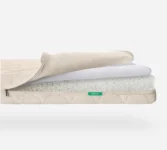
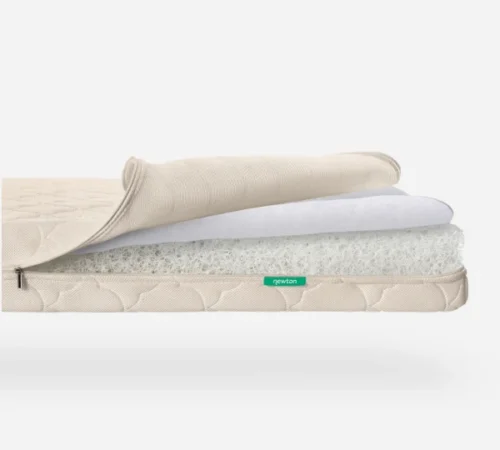
The Wovenaire core is made from food-grade polymer and is fully washable—core and cover. It moves air and heat away from the sleep surface, which is a genuine advantage for hot sleepers and households dealing with frequent spit-up. The main trade-off is price: it costs well above compliant foam alternatives that meet the same federal firmness requirement.
Ease of Maintenance: The “Blowout” Test
Cleaning the Newton baby mattress is straightforward and effective. Simply unzip the cover and rinse the core in a bathtub for quick spot treatment. This eliminates worries about lingering odors or stains.
Machine-washable components dry faster than expected in most cases. Parents report fewer disruptions during messy phases, thanks to its quick recovery. It’s designed for real-life parenting challenges.
No harsh chemicals are needed, keeping the surface safe for baby. This hassle-free approach makes it a top choice for busy households seeking reliability.
Naturepedic Crib Mattress: What You Get for $369Best Organic Choice
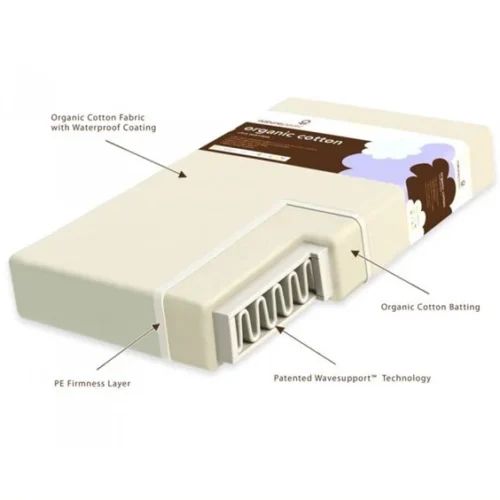
The Anatomy of a Truly Best Crib Mattress for Infants & Newborns
A genuine organic crib mattress starts with certified materials like cotton and wool. Naturepedic uses food-grade polyethylene for waterproofing, avoiding harmful chemicals. This creates a non-toxic environment ideal for newborns.
The innerspring core provides even support, distributing weight effectively. Breathable layers prevent overheating, enhancing comfort during sleep. It’s built to last through toddler years without losing shape.
Certifications like GOTS ensure transparency from sourcing to assembly. Parents appreciate the hypoallergenic qualities, reducing allergy risks. This mattress embodies natural purity in every detail.
Halo DreamWeaveBest Value Breathable

A More Affordable Alternative to the Newton Baby Mattress
The Halo DreamWeave offers similar breathability at a lower cost. Its polymer core with air pockets keeps things cool, making it a solid contender for the best crib mattress for infants on a budget. Families praise its value without skimping on safety.
Easy to maneuver during setup, it fits standard cribs snugly. The quilted mesh enhances ventilation, ideal for warmer climates. It’s a practical choice for everyday use.
Durability holds up well in reviews, resisting wear from active toddlers. This makes it reliable for growing families seeking cost-effective options.
Dual-Sided Design: Infant Firmness vs. Toddler Comfort
One side provides firm support for infants, adhering to safety guidelines. Flip it for a softer toddler experience as your child grows. This versatility extends its usability.
The transition is seamless, supporting development at each stage. Parents note improved sleep quality after flipping. It’s designed with growth in mind.
Waterproof elements protect against spills on the toddler side. This adds longevity, keeping the mattress fresh longer.
Lullaby Earth Breathe SafeBest Lightweight
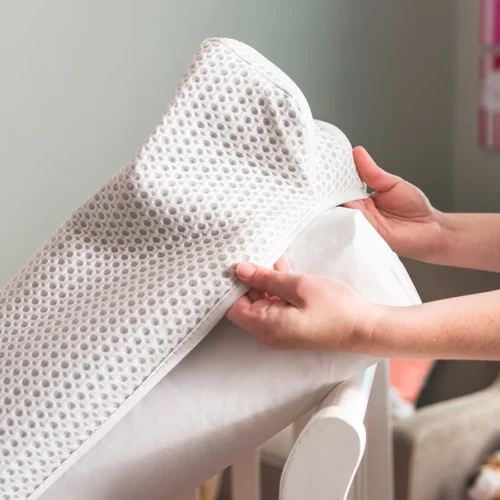
Why Lullaby Earth Stands Out for Eco-Conscious Parents
This mattress uses recycled plastics and avoids foams entirely. It’s a top organic crib mattress alternative with MadeSafe certification. Lightweight design simplifies sheet changes for tired parents.
Breathability comes from its open structure, promoting air circulation. Hypoallergenic properties suit sensitive babies. It’s an environmentally friendly pick.
Long-term reviews show it maintains firmness well. This ensures consistent support throughout use.
Maintenance and Durability Insights
Wipe-clean surfaces handle messes easily. The waterproof cover protects the core effectively. It’s built for frequent cleaning without wear.
Reinforced edges prevent sagging over time. Parents report it holds up to jumping toddlers. Reliability is a key strength.
Moonlight Slumber Little DreamerBest Dual-Firmness Value
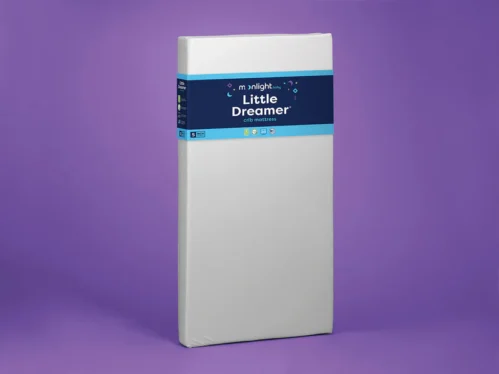
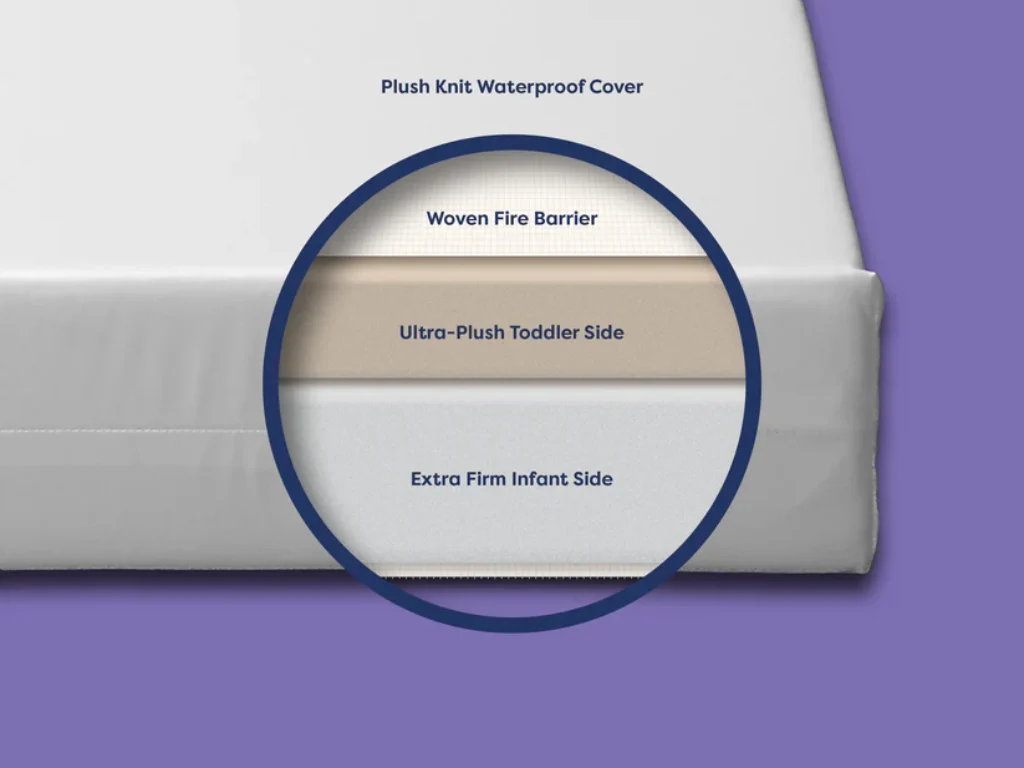
Innovation in Foam Design for Better Sleep
Moonlight Slumber uses medical-grade foam for durability. It’s a budget-friendly crib mattress for infants with seamless waterproofing. The design reduces allergen buildup.
Edge support keeps it stable in the crib. Parents like the easy-clean surface. It’s suitable for various sleep styles.
Certifications include GreenGuard for low emissions. This adds peace of mind.
Transitioning from Infant to Toddler Use
Firm infant side supports safe sleep practices. Softer toddler side offers cushioning as needed. The flip extends lifespan.
Reviews highlight smooth transitions. Comfort improves with age-appropriate firmness.
Avocado OrganicBest Luxury Organic
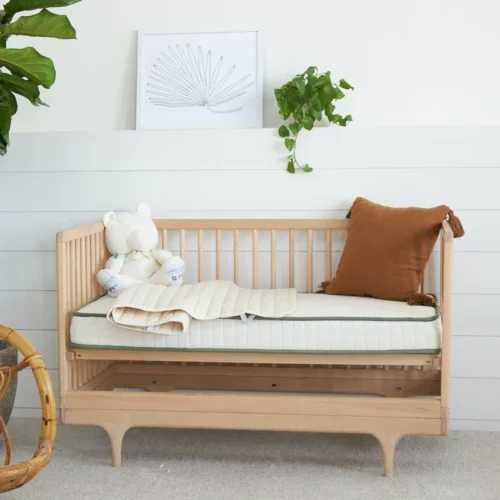
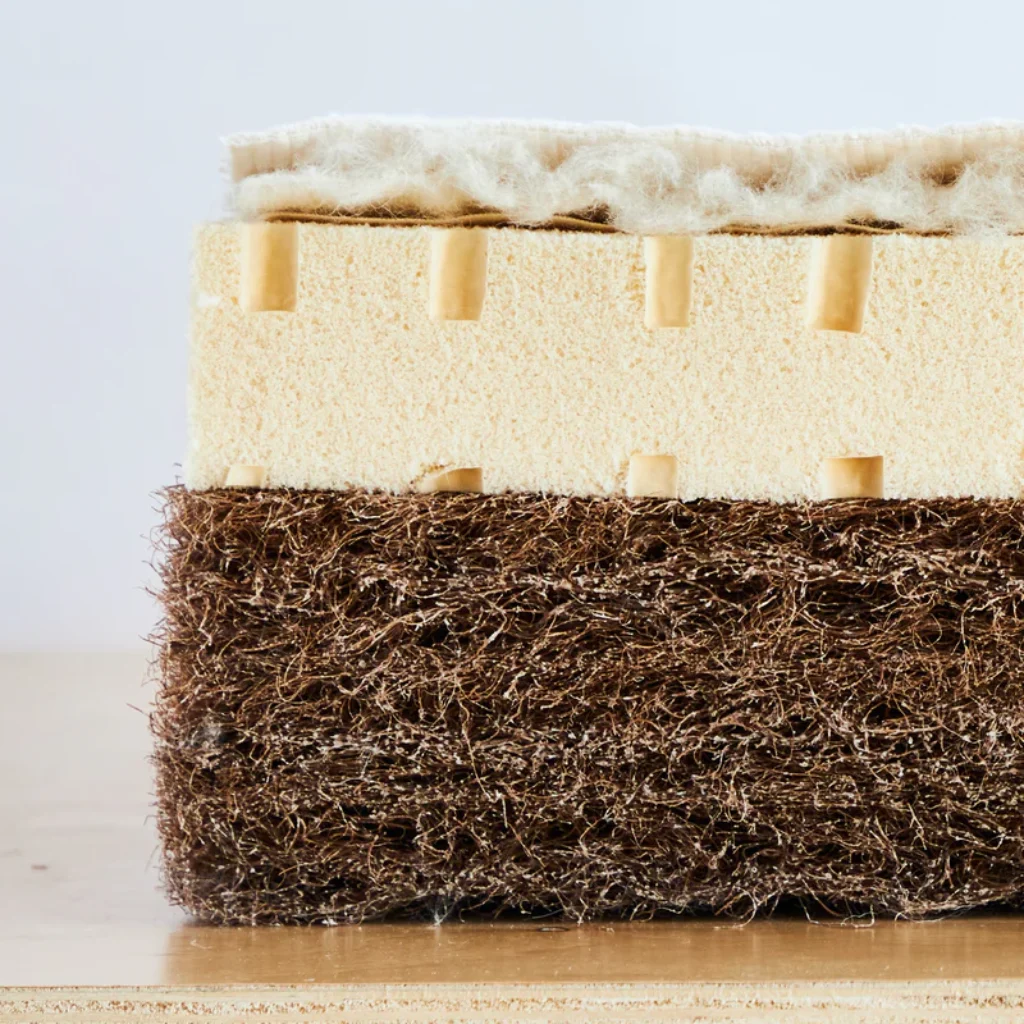
The Benefits of Natural Latex and Coir
Avocado’s organic crib mattress features coconut husk for breathability. Wool acts as a natural flame barrier. It’s ideal for eco-focused families.
GOLS-certified latex and GOTS-certified fabric. The 25-year warranty is the longest on this list. The trade-off is weight—it is the heaviest mattress here.
Long-Term Value and Sustainability
25-year warranty reflects build confidence. Sustainable sourcing appeals to green parents. It’s an investment in health.
Reviews praise its comfort and support. Resale value remains high.
Sealy SoybeanBest Budget Foam
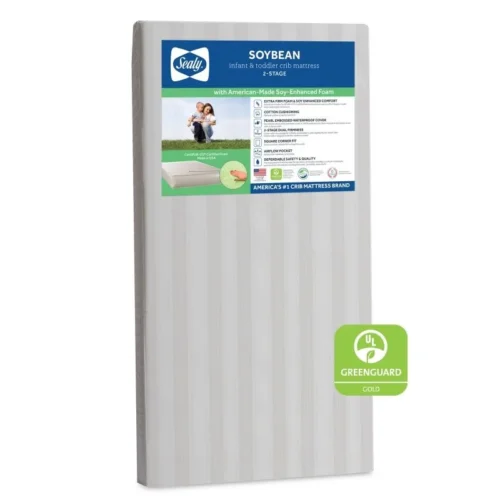
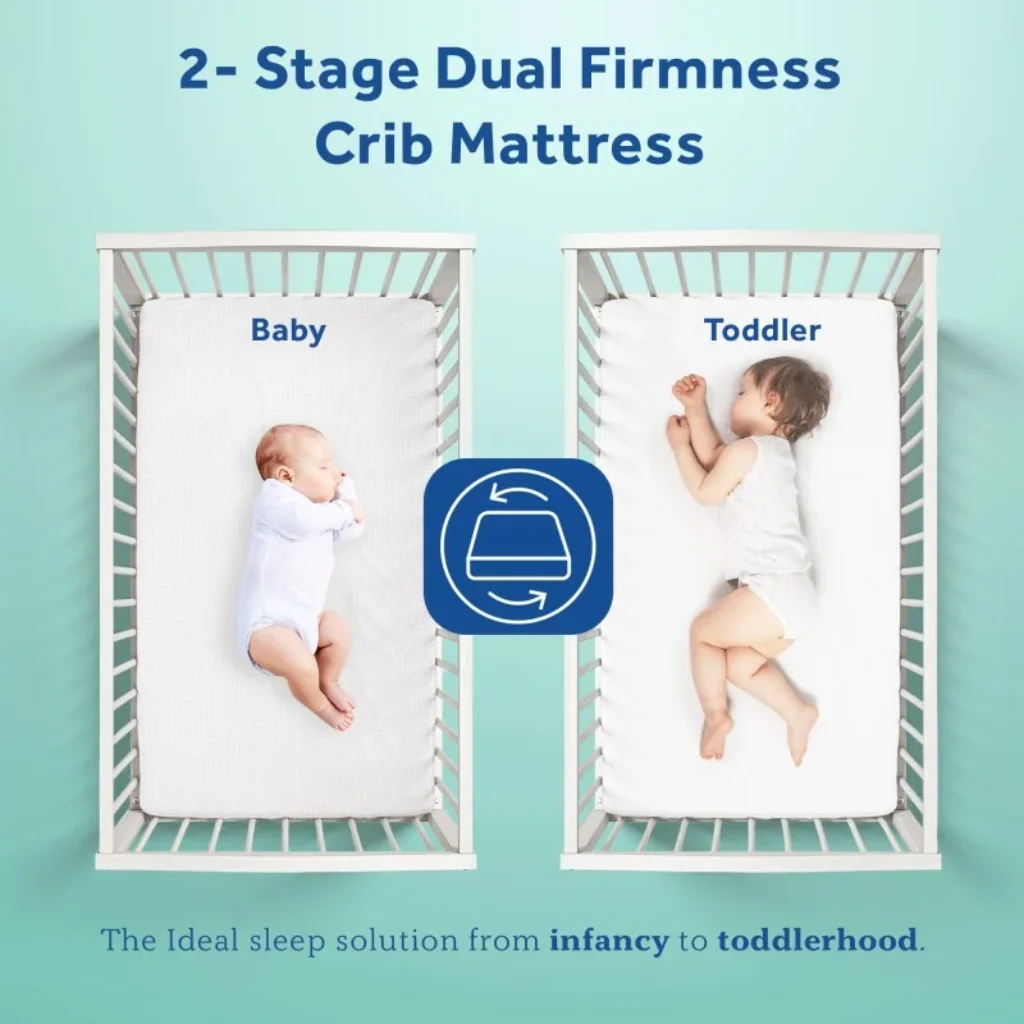
Entry-Level Option with Basic Safety Features
Sealy offers firm support at a low price. It’s a simple crib mattress for a first setup. The waterproof cover aids cleaning.
Hypoallergenic materials reduce irritants. It’s easy to transport. GreenGuard certification ensures low emissions. Suitable for basic needs.
Comparing Cost to Performance
Affordable without major compromises. Holds up in daily use. Good for short-term setups.
Parents note decent comfort levels. Value shines for budget buyers.
Also Read: Nursery Dressers with Changing Toppers
Graco Premium Foam Crib and Toddler Mattress — The Budget PickBest Budget Foam

One upgrade worth knowing about: the Premium Foam is single-stage, so it stays firm for the whole time your child uses it. If you would rather have a softer toddler surface later, Graco’s Ultra Premium 2-in-1 offers the same core certifications — GREENGUARD Gold, CertiPUR-US, and JPMA — with a dual-sided design and a machine-washable cover that unzips for cleaning, for roughly $50 more. Both meet the same federal firmness requirement, so the extra spend buys flexibility for the toddler years, not a higher safety tier. You can compare both against the rest of the list in the table above.
The Breathability Question: What Breathable Cores Do and Don’t Do
Breathable crib mattresses — polymer cores, 3D mesh covers, wool and coconut coir layers — are the most heavily marketed category in this space, and the claims deserve a straight answer.
What they genuinely do: breathable cores improve airflow and reduce heat retention, which can help a baby sleep cooler and wake up less sweaty. A polymer core like Newton’s Wovenaire is also fully washable, which is a real hygiene advantage over foam. These are legitimate reasons to buy one.
What they do not do: there is no established evidence that a breathable mattress reduces the risk of SIDS or suffocation compared with a compliant conventional mattress. As neonatologist Jenelle Ferry puts it, the theory is that an infant face-down on a porous surface could continue to breathe — but “there isn’t evidence to support these safety benefits.”
That does not make breathable mattresses a bad purchase. It makes them a comfort and convenience purchase, not a safety upgrade over a firm, compliant foam or innerspring mattress. If you are choosing between a $99 compliant foam mattress and a $299 breathable polymer mattress, you are buying washability and airflow, not a lower SIDS risk.
The evidence-backed way to reduce sleep-related risk is well established and costs nothing: place the baby on their back, on a firm flat surface, in a bare crib with only a fitted sheet, and avoid overheating through clothing and room temperature rather than through mattress choice.
Our take: buy breathable if you want easier cleaning and a cooler sleep surface. Do not buy it believing it substitutes for safe sleep practice.
Buying a Crib Mattress Online: Shipping, Packaging, and Returns
Crib mattresses ship compressed or boxed, and the two failure modes are a core that never fully expands and a cover that arrives creased or torn. Before you order:
- Check the return window, not just the return policy. Mattresses are bulky, and many retailers require the original box. A 30-day window from delivery is workable; a 14-day window on a compressed mattress that needs 72 hours to expand is not.
- Look for “ship flat” or white-glove delivery on innerspring and latex models. Compressed shipping is standard for foam and polymer; an innerspring crammed into a box is more likely to arrive with bent edge supports.
- Open and inspect within 24 hours. Photograph the box before opening if it is dented. Damage claims are much easier with a photo of the packaging.
- Expect an off-gassing period on foam. Most CertiPUR-US and GREENGUARD Gold foams dissipate within a few days in a ventilated room. If the smell persists beyond a week, that is a return, not a wait-it-out.
- Do not accept a used or open-box mattress for a newborn. You cannot verify its history, and mattress hygiene matters more in the first year than at any other point.
The 60-Second Fit Test (Do This Before the Return Window Closes)
A mattress can meet the federal standard and still be wrong for your crib. Test it the day it arrives:
- Press the center and all four edges firmly with your palm. It should resist and spring back quickly. If your hand leaves a lasting indentation, the mattress is too soft for an infant.
- Push the mattress into one corner of the crib. Then check the opposite corner. If you can fit more than two fingers into the gap, the mattress is undersized for that crib and creates an entrapment risk.
- Run your hand around the full perimeter. Gaps are rarely uniform — a mattress can be tight on three sides and loose on the fourth.
- Check the sheet. A fitted sheet should wrap under the mattress on all four sides. If it pops off at a corner, it is too small and becomes a loose-bedding hazard.
Repeat the perimeter check every time you change the sheets for the first month, because foam and fiberfill settle.
Frequently Asked Questions
No. A firm, compliant conventional mattress is safe. Breathable cores improve airflow and can help a baby sleep cooler, and a fully washable core like the Newton’s is a genuine hygiene advantage — but there is no established evidence that breathability reduces SIDS or suffocation risk compared with a compliant mattress. Always place your baby on their back on a firm, flat surface; a breathable surface is not a substitute for back-sleeping.
Used mattresses risk mold or bacteria buildup. Even an organic crib mattress can harbor issues if not stored properly. Fresh is best for hygiene.
Inspect for damage or odors. Certifications don’t guarantee cleanliness. Prioritize new for peace of mind.
Flip around 12-18 months when your child stands or walks. The softer side provides comfort for active toddlers. Follow weight guidelines.
Monitor development milestones. Transition supports growing needs. Consult pediatricians if unsure.
Protectors can reduce breathability in the Newton Baby mattress. Use breathable ones if needed. Avoid thick layers that block airflow.
The washable design often suffices. Test for fit and ventilation. Safety first in additions.
Pediatric guidance focuses on the sleep surface rather than a brand: a firm, flat mattress covered by a fitted sheet, in a crib that meets CPSC standards, with nothing else in the sleep area. Any mattress compliant with 16 CFR Part 1241 and ASTM F2933-25 meets that firmness requirement. Pediatricians generally do not endorse specific brands.
For airflow and heat reduction, polymer-core mattresses such as the Newton Baby and Halo DreamWeave perform best because air moves through the core rather than being trapped in foam. Wool and coconut coir layers, as used by Avocado, also help regulate temperature. Breathability improves comfort; it is not an established SIDS prevention measure.
The Graco Premium Foam at around $99 is the best-known budget pick and carries a machine-washable cover. The Safety 1st Heavenly Dreams is often cheaper still and carries GREENGUARD Gold. At this price point, confirm the mattress is standard full-size and passes the federal firmness test — those two things matter more than brand.
If you want to avoid polyurethane foam and prefer certified organic materials, yes — the Naturepedic is one of the few compliant options with GOTS organic fabric and fill, and it offers a 100-night trial. If you simply want a safe, firm mattress, a $99 compliant foam mattress meets the same federal standard. You are paying for materials and certifications, not for a different safety category.
Confirm the crib size, choose a core (foam for budget, innerspring for durability, polymer for washability, latex for organic), decide whether you need dual-stage firmness, and prioritize a waterproof washable cover. Then test the fit the day it arrives.
Choose a retailer with a return window of at least 30 days from delivery and inspect the mattress within 24 hours of arrival. Foam and polymer cores ship compressed and should fully expand within about 72 hours; innerspring and latex models are better shipped flat. Photograph damaged packaging before opening.
No. A firm, compliant conventional mattress is safe. Breathable cores offer better airflow and, in the Newton’s case, full washability — both worthwhile for comfort and hygiene, but neither is a safety requirement.
Around 12–18 months, once your child is standing or walking, or per the manufacturer’s weight guidance.
In summary, the Newton Baby stands out for safety-obsessed parents, while Naturepedic suits those seeking a fully organic crib mattress. Consider your priorities like breathability or budget when choosing the best crib mattress for infants. Each pick offers unique benefits for restful sleep.
Find the Safest Mattress for Your Baby